
E-Waste by the Numbers: The Case for Circular Electronics
Team Ohmni · 12 Aug 2026 · 7 min read
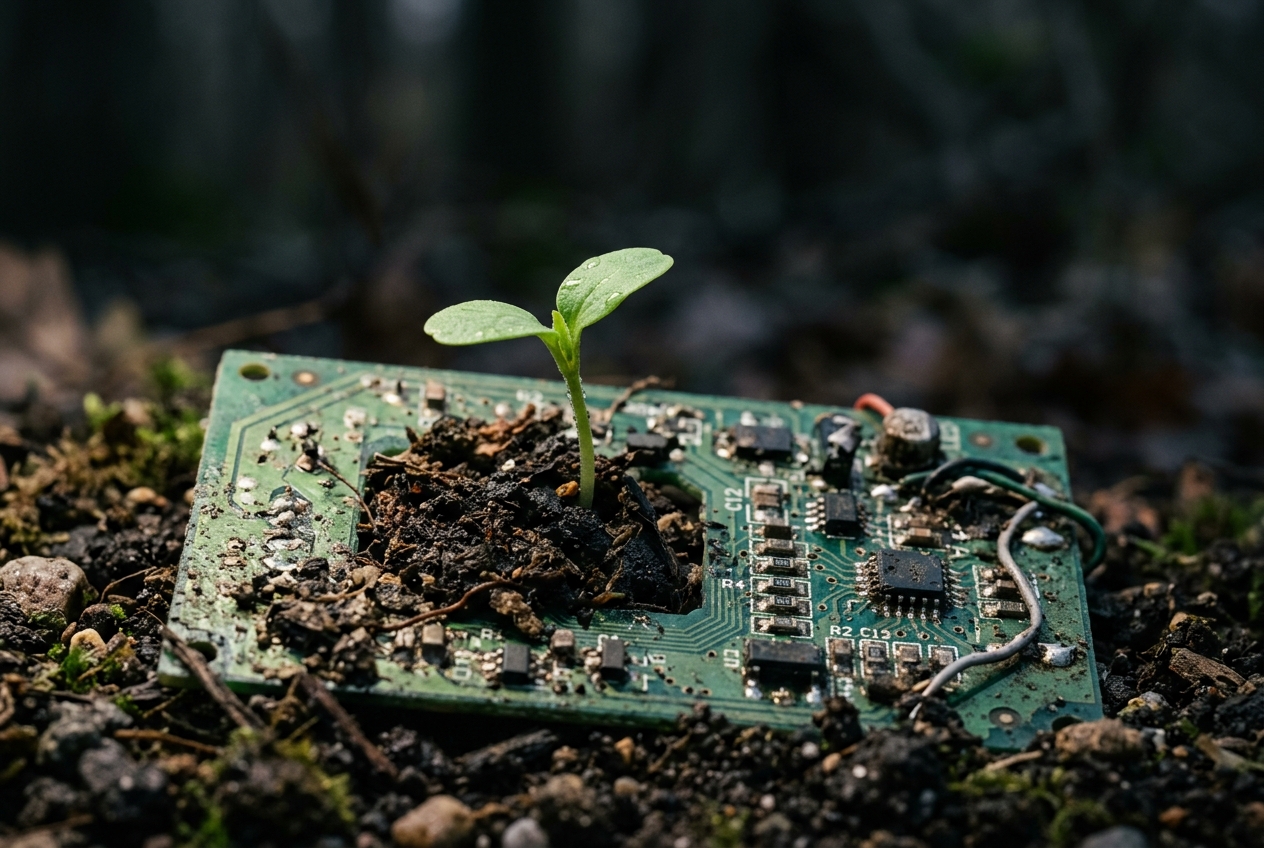
The world generates more e-waste each year than it formally recycles. Here is why scrap-to-life models matter more than ever.
According to the UN Global E-waste Monitor, the world generated about 62 million tonnes of e-waste in 2022, and less than a quarter of it was documented as properly collected and recycled. On current trends, the total is projected to reach roughly 82 million tonnes by 2030.
Recycling is not enough on its own
Recycling recovers some materials, but it uses energy and loses value. The higher-value loops are reuse, repair and refurbishment, because they keep the whole product, along with the energy and materials already invested in it, in service.
- Reuse: put working devices straight back into use
- Repair and refurbish: restore function, test it and warranty it
- Harvest: recover good components for spares
- Recycle: responsibly process what is truly end-of-life
Where Ohmni fits
Our model follows that hierarchy. Devices are rescued, repaired and tested for resale. Salvageable parts go back into our spares inventory, and only what is truly finished goes to certified recyclers. We call it scrap to life.


